
Compassionate Coexistence: Strategies for Ethical Wildlife Removal in Residential Areas
Wildlife encounters in residential areas can often lead to conflicts and challenges for homeowners. While it’s important to address these issues effectively, it’s equally crucial to ensure that wildlife removal methods are humane and ethical. Critter Stop agency explores the concept of humane wildlife removal for homes and discuss strategies that prioritize compassion and coexistence with wildlife.
Humane wildlife removal focuses on finding solutions that minimize harm and stress to wildlife while addressing human-wildlife conflicts. One of the key principles of humane wildlife removal is understanding and respecting the natural behaviors and needs of wildlife species. This involves considering factors such as migration patterns, breeding seasons, and habitat requirements when implementing removal strategies.
One effective strategy for humane wildlife removal is habitat modification. By making changes to the environment that discourage wildlife from entering residential areas, homeowners can reduce the need for invasive removal methods. Simple measures such as securing garbage bins, removing food sources, and sealing entry points can create a less attractive habitat for wildlife, encouraging them to seek natural alternatives.
Physical exclusion techniques are also part of humane wildlife removal efforts. Installing barriers such as fences, screens, and netting can prevent wildlife from accessing vulnerable areas like gardens, ponds, or outdoor structures. Mesh covers or chimney caps can prevent animals from entering chimneys or vents, while sealing gaps and cracks in buildings can block entry points for small animals without causing harm.
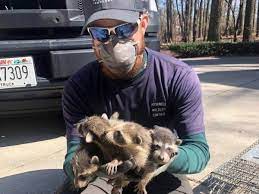
Trapping and relocation are options for humane wildlife removal when necessary, but they should be used responsibly and with caution. Live traps should be checked regularly to ensure captured animals are not subjected to prolonged stress or injury. When relocating wildlife, it’s important to choose suitable release sites that provide appropriate habitat and minimize risks to the animal’s survival.
Educating homeowners about humane wildlife removal practices is also essential. Providing information on local wildlife species, their behaviors, and non-lethal removal methods can empower homeowners to address conflicts in a compassionate and effective manner. Community outreach programs, workshops, and resources from wildlife agencies or conservation organizations can support education and awareness efforts.
In conclusion, humane wildlife removal for homes emphasizes compassion, respect for wildlife, and ethical practices in addressing human-wildlife conflicts. By implementing habitat modification, physical exclusion, responsible trapping, and education initiatives, homeowners can promote peaceful coexistence with wildlife while protecting their homes and properties. Striking a balance between human needs and wildlife welfare is key to creating sustainable and harmonious living environments for both humans and wildlife.