
Performance Tuning Options for Your First Used Car

Importance of Engine Remapping

When it comes to maximizing the performance of your first used car, there’s a world of possibilities awaiting. Enhancing horsepower and torque can elevate your driving experience, turning your everyday commute into a thrilling adventure. Luckily, there are several performance chevy indianapolis tuning options available to breathe new life into your vehicle without breaking the bank.

Engine remapping, also known as ECU tuning, is a popular method for increasing horsepower and torque in a first used car. The engine control unit (ECU) is responsible for managing various aspects of engine performance, including fuel delivery, ignition timing, and turbo boost levels. By reprogramming the ECU with custom software, enthusiasts can optimize these parameters to extract additional power from the engine. Engine remapping can result in significant gains in horsepower and torque, providing a noticeable improvement in acceleration and overall performance.
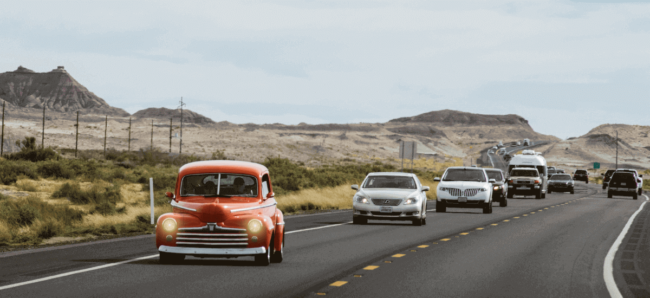
Chevy Indianapolis

Another effective performance tuning option for improving horsepower and torque is installing a cold air intake system. Factory air intake systems are often designed with restrictive components that limit airflow to the engine. By replacing the stock air intake with a cold air intake system, enthusiasts can increase airflow, allowing the engine to breathe more easily and produce more power. Cold air intake systems typically feature larger diameter tubing, high-flow air filters, and heat shields to ensure a steady supply of cool, dense air to the engine. This results in improved combustion efficiency and increased horsepower and torque, especially at higher engine speeds.

In addition to these primary performance tuning options, there are several other upgrades worth considering for your first used car. Upgrading the exhaust system, installing a performance-oriented fuel system, and upgrading the turbocharger or supercharger are all effective ways to further enhance horsepower and torque. With the right combination of performance tuning options, you can unlock the full potential of your first used car, transforming it into a powerful and exhilarating driving machine.
Hidden Advantages of Professional Dryer Vent Cleaning in Commercial Buildings

How Clean Dryer Vents Benefit Your Entire Commercial Property

In the fast-paced world of commercial property management, every aspect of a building’s operation needs to be optimized. While tasks like HVAC maintenance and lighting upgrades readily come to mind, a hidden efficiency booster often gets overlooked: professional Dryer Vent Cleaning NJ. Here’s how a seemingly simple service can yield significant benefits for your commercial property.

The most immediate advantage is improved dryer efficiency. Clogged vents, laden with lint buildup, trap heat within the dryer. This forces the machine to work harder and longer to achieve the desired drying temperature. The longer drying cycles translate to increased energy consumption, leading to higher utility bills. Regular cleaning removes this heat-trapping barrier, allowing dryers to operate efficiently, drying clothes faster, and ultimately consuming less energy. This translates to significant cost savings on your utility bills, especially in buildings with high laundry volume, like apartment complexes or hotels.

Beyond cost savings, clean dryer vents promote fire safety. Lint is a highly flammable material. A clogged vent creates the perfect environment for a lint fire to ignite, potentially causing significant damage and putting the safety of your building’s occupants at risk. Professional cleaning services thoroughly remove lint from the entire vent system, minimizing fire hazards and ensuring the safety of your property and its inhabitants.

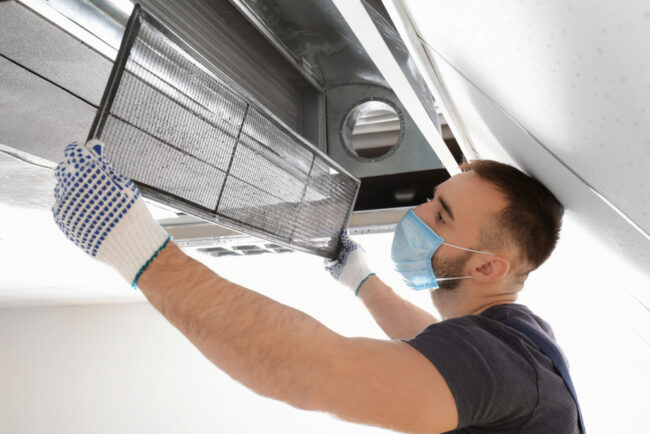
Dryer Vent Cleaning NJ

Furthermore, clean vents contribute to a more pleasant and healthy environment within your commercial building. Clogged vents can trap moisture and mold spores, leading to musty odors and potential respiratory issues for those using the laundry facilities. Regular cleaning removes these allergens and moisture, promoting good indoor air quality and creating a more comfortable experience for tenants, employees, or guests who utilize the dryers.

The positive impact extends to the lifespan of your dryers. The excessive heat caused by clogged vents can take a toll on the machine’s internal components, leading to premature wear and tear. By keeping vents clean and promoting efficient drying, you can extend the life of your dryers, minimizing downtime, repair costs, and the need for frequent replacements.

In conclusion, professional dryer vent cleaning offers a multitude of benefits for commercial properties. From improved efficiency and cost savings to enhanced fire safety, better indoor air quality, and extended dryer life, investing in regular cleaning is a smart decision for any property manager seeking to optimize their building’s operation and create a safer, healthier environment for everyone involved.

Critter Stop: Humane Wildlife Removal for Homes

Compassionate Coexistence: Strategies for Ethical Wildlife Removal in Residential Areas

Wildlife encounters in residential areas can often lead to conflicts and challenges for homeowners. While it’s important to address these issues effectively, it’s equally crucial to ensure that wildlife removal methods are humane and ethical. Critter Stop agency explores the concept of humane wildlife removal for homes and discuss strategies that prioritize compassion and coexistence with wildlife.

Humane wildlife removal focuses on finding solutions that minimize harm and stress to wildlife while addressing human-wildlife conflicts. One of the key principles of humane wildlife removal is understanding and respecting the natural behaviors and needs of wildlife species. This involves considering factors such as migration patterns, breeding seasons, and habitat requirements when implementing removal strategies.

One effective strategy for humane wildlife removal is habitat modification. By making changes to the environment that discourage wildlife from entering residential areas, homeowners can reduce the need for invasive removal methods. Simple measures such as securing garbage bins, removing food sources, and sealing entry points can create a less attractive habitat for wildlife, encouraging them to seek natural alternatives.

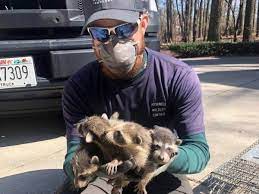
Critter Stop

Physical exclusion techniques are also part of humane wildlife removal efforts. Installing barriers such as fences, screens, and netting can prevent wildlife from accessing vulnerable areas like gardens, ponds, or outdoor structures. Mesh covers or chimney caps can prevent animals from entering chimneys or vents, while sealing gaps and cracks in buildings can block entry points for small animals without causing harm.

Trapping and relocation are options for humane wildlife removal when necessary, but they should be used responsibly and with caution. Live traps should be checked regularly to ensure captured animals are not subjected to prolonged stress or injury. When relocating wildlife, it’s important to choose suitable release sites that provide appropriate habitat and minimize risks to the animal’s survival.

Educating homeowners about humane wildlife removal practices is also essential. Providing information on local wildlife species, their behaviors, and non-lethal removal methods can empower homeowners to address conflicts in a compassionate and effective manner. Community outreach programs, workshops, and resources from wildlife agencies or conservation organizations can support education and awareness efforts.

In conclusion, humane wildlife removal for homes emphasizes compassion, respect for wildlife, and ethical practices in addressing human-wildlife conflicts. By implementing habitat modification, physical exclusion, responsible trapping, and education initiatives, homeowners can promote peaceful coexistence with wildlife while protecting their homes and properties. Striking a balance between human needs and wildlife welfare is key to creating sustainable and harmonious living environments for both humans and wildlife.